top of page

Staying Active: Exercise Ideas for Older Adults

  • Writer: oldpeoplethisweek
    oldpeoplethisweek
  • 5 hours ago
  • 4 min read

As we age, staying active becomes increasingly important for maintaining our health and well-being. Regular exercise can help improve mobility, strength, and balance, reducing the risk of falls and chronic diseases. However, many older adults may feel unsure about how to incorporate physical activity into their daily routines. This blog post will explore various exercise ideas tailored specifically for older adults, ensuring that everyone can find an enjoyable way to stay active.


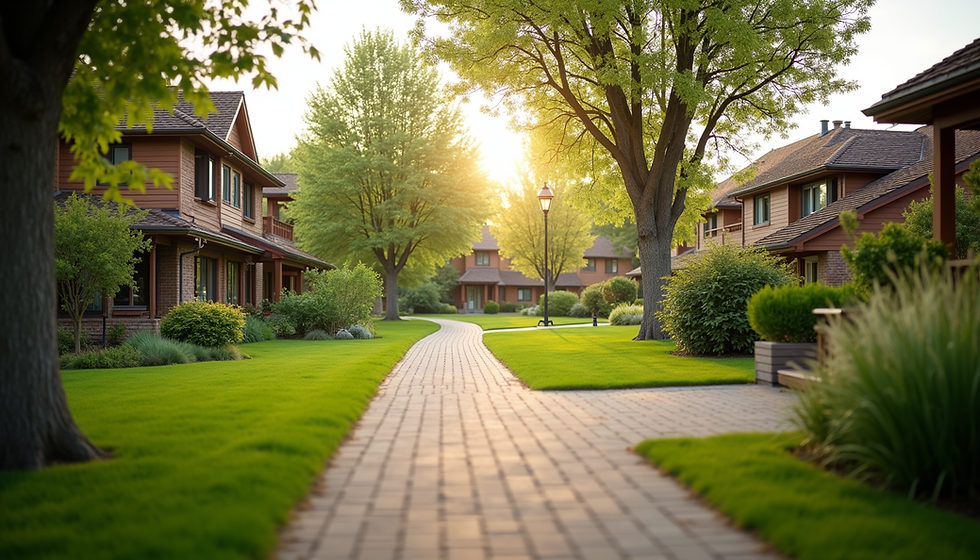
Eye-level view of a serene park with walking paths and benches

The Importance of Staying Active


Staying active is crucial for older adults for several reasons:


  • Improved Physical Health: Regular exercise can help manage weight, reduce the risk of chronic diseases such as heart disease and diabetes, and improve overall physical health.

  • Enhanced Mental Well-being: Physical activity has been linked to improved mood and cognitive function. It can help reduce feelings of anxiety and depression.

  • Increased Independence: By maintaining strength and balance, older adults can perform daily activities more easily, promoting independence.

  • Social Engagement: Group activities can foster social connections, reducing feelings of loneliness and isolation.


Types of Exercises for Older Adults


When considering exercise options, it's essential to choose activities that are safe, enjoyable, and appropriate for your fitness level. Here are some categories of exercises that older adults can incorporate into their routines:


1. Aerobic Exercises


Aerobic exercises are great for improving cardiovascular health and endurance. Here are some options:


  • Walking: One of the simplest and most accessible forms of exercise. Aim for at least 30 minutes a day, whether it's a leisurely stroll in the park or a brisk walk around the neighborhood.

  • Swimming: A low-impact exercise that is easy on the joints. Swimming laps or participating in water aerobics can provide an excellent workout.

  • Cycling: Riding a stationary bike or cycling outdoors can improve cardiovascular health while being gentle on the joints.


2. Strength Training


Building muscle strength is vital for maintaining mobility and independence. Consider these activities:


  • Resistance Bands: These are lightweight and portable, making them perfect for strength training at home. Simple exercises like bicep curls and leg lifts can be done with resistance bands.

  • Bodyweight Exercises: Push-ups, squats, and lunges can be modified to suit individual fitness levels. Start with wall push-ups or chair squats for a gentler approach.

  • Weight Training: Using light weights can help build strength. Focus on major muscle groups, aiming for two sessions per week.


3. Flexibility and Balance Exercises


Improving flexibility and balance can help prevent falls and enhance overall mobility. Try these exercises:


  • Stretching: Incorporate gentle stretching into your routine to improve flexibility. Focus on major muscle groups, holding each stretch for 15-30 seconds.

  • Yoga: Many yoga classes cater to older adults, focusing on gentle movements and balance. Chair yoga is also an excellent option for those with limited mobility.

  • Tai Chi: This ancient martial art emphasizes slow, controlled movements and is known for improving balance and reducing the risk of falls.


4. Fun and Engaging Activities


Staying active doesn't have to feel like a chore. Here are some enjoyable activities that can keep you moving:


  • Dancing: Whether it's ballroom, line dancing, or just dancing in your living room, this fun activity can boost your mood and fitness.

  • Gardening: Digging, planting, and weeding can provide a great workout while allowing you to enjoy the outdoors.

  • Group Classes: Look for local community centers or gyms that offer classes specifically for older adults, such as Zumba Gold or senior fitness classes.


Tips for Getting Started


Starting an exercise routine can be daunting, but with the right approach, it can become a rewarding part of your daily life. Here are some tips to help you get started:


  • Consult Your Doctor: Before beginning any new exercise program, it's essential to consult with your healthcare provider, especially if you have existing health conditions.

  • Set Realistic Goals: Start with small, achievable goals. For example, aim to walk for 10 minutes a day and gradually increase the duration.

  • Find a Buddy: Exercising with a friend or family member can make the experience more enjoyable and provide motivation.

  • Listen to Your Body: Pay attention to how your body feels during and after exercise. If something doesn’t feel right, don’t hesitate to modify or stop the activity.


Overcoming Barriers to Exercise


Many older adults face barriers that can make it challenging to stay active. Here are some common obstacles and how to overcome them:


  • Lack of Time: Incorporate short bursts of activity throughout the day. Even 10-minute sessions can add up.

  • Fear of Injury: Start slowly and choose low-impact exercises. Consider working with a trainer who specializes in senior fitness.

  • Limited Access to Facilities: Look for outdoor spaces like parks or community centers that offer free or low-cost exercise options.


Staying Motivated


Maintaining motivation is key to a successful exercise routine. Here are some strategies to keep you engaged:


  • Track Your Progress: Keep a journal or use a fitness app to log your activities and celebrate your achievements.

  • Mix It Up: Try different activities to prevent boredom. Explore new classes or outdoor activities to keep things fresh.

  • Reward Yourself: Treat yourself to something enjoyable after reaching a fitness milestone, whether it's a new workout outfit or a day out.


Conclusion


Staying active as we age is essential for maintaining health, independence, and overall well-being. By incorporating a variety of exercises into your routine, you can find enjoyable ways to stay fit and connected. Remember to start slowly, listen to your body, and seek support from friends or professionals. The journey to a more active lifestyle is not just about exercise; it's about enhancing your quality of life. So, lace up those shoes, grab a friend, and take the first step toward a healthier, more active you!


Comments


bottom of page